Love Bug Embroidery Design Review
As an embroidery designer and product reviewer, I’ve evaluated countless machine embroidery designs. Love Bug stands out as a versatile and visually appealing option for a range of projects. Its retro boho aesthetic makes it ideal for baby items, personalized gifts, and custom apparel. But like any design, it has its strengths and limitations that need to be considered before use.
The First Impression: Retro Boho Meets Modern Craft
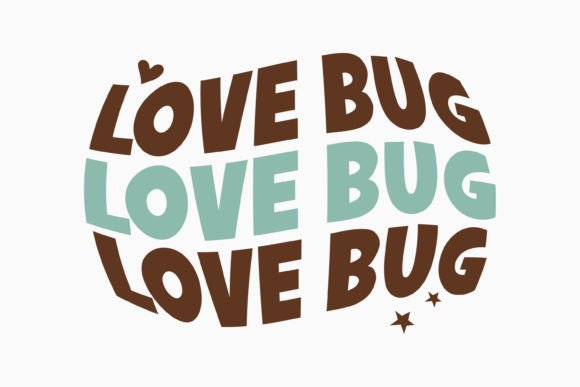
Love Bug immediately evokes a sense of nostalgia with its soft curves, whimsical typography, and vintage-inspired layout. The design feels hand-drawn, which adds character to any project. It’s not overly complex, but the details are well-balanced, making it suitable for both simple and more intricate embroidery work.
The theme is clearly centered around love and baby-related motifs, which makes it perfect for nursery decor, baby clothes, or personalized gifts. The layout allows for easy placement on various items—whether it’s a tote bag, a sweatshirt, or a pillow cover. The overall mood is warm and inviting, which is great for handmade products that aim to connect emotionally with customers.
Real-World Use: From Tote Bags to Holiday Gifts
I tested Love Bug on a custom embroidered tote bag for a client who wanted a unique, personal touch. The design worked well on cotton canvas, with clear stitch definition and a polished finish. The color changeability is a big plus—being able to adjust thread colors easily means it can fit different branding or seasonal themes without needing multiple files.
For baby items, Love Bug translates beautifully into a delicate applique design. The satin stitch and fill stitch areas hold up well, and the overall size is manageable for most hoop sizes. It also works as a patch for backpacks or jackets, where the design remains visible and recognizable even after multiple washes.
When used on caps or hats, the design maintains its shape and clarity, though the curved surface required some careful positioning. On thin or stretchy fabrics, the design might benefit from additional stabilizer to prevent puckering or distortion.
Where to Be Careful: Fabric and Stitching Considerations
While Love Bug is generally forgiving, there are situations where it may not perform as expected. For example, on dark fabrics, the design may appear too light unless the thread color is adjusted accordingly. On textured or stretchy materials, the stitches could lose some sharpness, especially in the smaller details.
Small hoop sizes can be a challenge. If you’re working with limited space, you may need to break the design into sections or adjust the scale. Similarly, dense stitch areas might cause the fabric to pucker if not properly stabilized. This is especially true for thicker or heavier materials.
For commercial embroidery projects, it’s important to test the design thoroughly. Check how it looks in black and white mockups to ensure visibility on different backgrounds. Also, make sure the design is compatible with your embroidery machine and that the file format (EPS or SVG) works with your software.
Impact on Visual Appeal and Customer Perception
Love Bug adds a charming, handcrafted feel to any finished product. Its clean lines and retro vibe make it instantly recognizable, which is great for brand consistency. When used on small shop merchandise or Etsy listings, it can help attract attention and convey a sense of quality and care.
Customers often look for unique, meaningful designs in handmade products. Love Bug fits this niche perfectly, especially when used in personalized gifts or custom apparel. It’s also a strong choice for holiday or wedding-themed items, where the sentimentality of the design enhances the overall appeal.
From a business perspective, Love Bug offers flexibility. It can be used for both personal projects and commercial ventures, provided the licensing terms allow for it. As an embroidery designer, I always recommend confirming the usage rights before selling any finished items or digital products.
Practical Designer Notes: Testing and Preparation
Before using Love Bug in a real project, I suggest testing it on scrap fabric. This helps identify any potential issues with stitch density, thread color contrast, or fabric compatibility. Pay close attention to the smaller details—like corners and lettering—to ensure they remain crisp after stitching.
If you’re planning to use the design on a variety of items, consider creating printable mockups to visualize how it will look on different surfaces. This is especially useful for digital product sellers or craft business owners who need to showcase their work effectively.
Lastly, always use the right stabilizer for the fabric you’re working with. This ensures that the design holds its shape and doesn’t distort during the embroidery process. Whether you’re making a custom sweatshirt, a baby onesie, or a holiday gift, proper preparation goes a long way in ensuring a professional finish.
Final Thoughts: A Versatile Design with Thoughtful Potential
Love Bug is a solid choice for embroidery designers, small business owners, and crafters looking for a reliable and stylish design. Its retro boho charm, ease of color customization, and adaptability across multiple projects make it a valuable addition to any design library.
With careful consideration of fabric type, hoop size, and stitch density, Love Bug can elevate a wide range of handmade products. Whether you're creating a personalized gift, a boutique item, or a commercial embroidery project, this design has the potential to add value and visual appeal to your work.