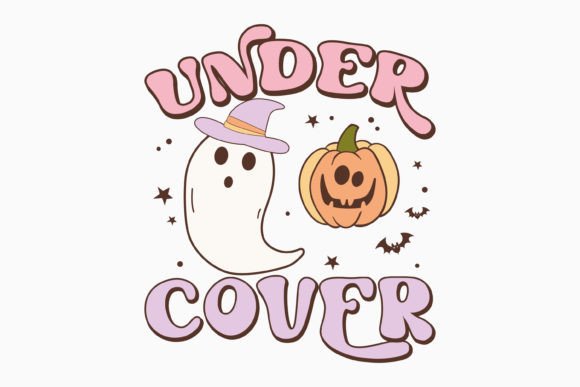
Under Cover Halloween Retro
As a designer and embroidery product reviewer, I’ve seen my fair share of digital files. But when I first opened the Under Cover Halloween Retro SVG design, I was immediately struck by its nostalgic charm and potential for real-world use. This isn’t just another Halloween graphic—it’s a versatile piece that could elevate a range of handmade and commercial projects.
The First Impression: Nostalgia Meets Versatility
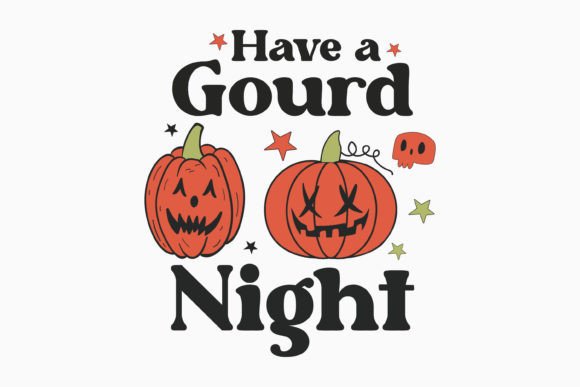
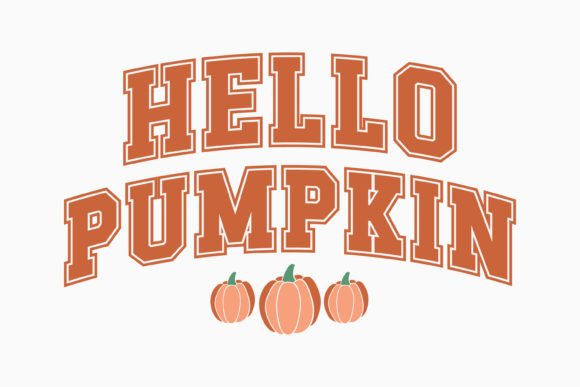
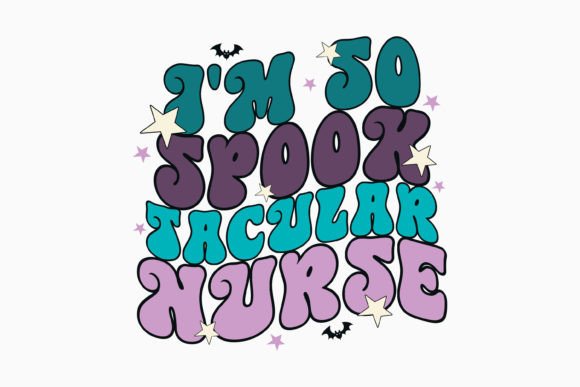
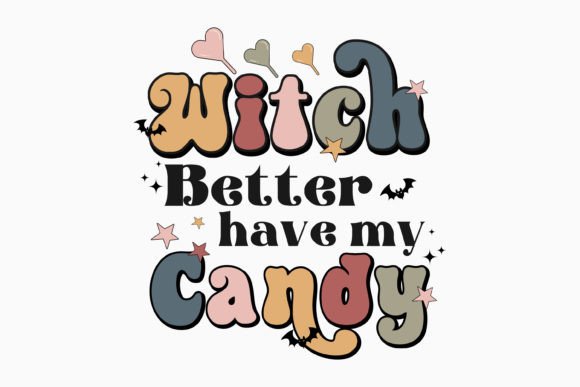
The Under Cover Halloween Retro design exudes a retro vibe with its bold, vintage-style typography and playful layout. The shape feels like it belongs on a classic horror movie poster or a hand-painted t-shirt from the 80s. It has a clean, readable structure that makes it easy to adapt across different mediums—t-shirts, mugs, posters, and more.
The design’s visual personality is confident and eye-catching. It doesn’t rely on too many intricate details, which is a plus for embroidery work where simplicity often translates to better stitch performance. The overall mood is fun, slightly spooky, and perfect for seasonal projects.
Real-Life Embroidery Scenarios: Where It Shines
I tested the Under Cover Halloween Retro on a few different fabrics and project types to see how it would perform in real embroidery situations. For a custom tote bag design, it worked well with a medium hoop size and standard stabilizer. The stitch density was manageable, and the design didn’t require excessive thread color changes—though the option to easily switch colors is a nice touch for customization.
On a sweatshirt, the design looked great with a satin stitch background and fill stitches for the text. It held up well on a light-colored fabric, but I’d be cautious about using it on dark backgrounds without adjusting the thread color. The design’s clarity remained consistent, even on curved surfaces like a cap, though it required careful placement to avoid distortion.
For baby items, the design felt appropriate but might need some tweaking for smaller sizes. The lettering is clear, but if you’re planning to use it on a onesie or a blanket, you should test it at a reduced scale first. The same goes for any project involving thin or stretchy fabric—extra stabilizer and careful tension settings will make a difference.
Where to Be Cautious: Design Limitations
While the Under Cover Halloween Retro is generally well-suited for embroidery, there are a few areas where caution is advised. Small hoop sizes can be a challenge, especially if the design includes fine details or tight corners. If you’re working on a patch or a small item, consider breaking the design into sections or resizing it appropriately.
Textured fabrics like denim or thick knits may cause the design to sit unevenly, so a good layer of stabilizer is essential. Thin or stretchy materials also demand extra attention—especially if the design includes dense stitch areas. You don’t want the embroidery to pucker or lose definition after washing.
If you're planning to use the design on a layered garment or a curved surface, make sure the file is compatible with your machine’s hoop size and that the design is centered properly. Tiny lettering or decorative accents might not hold up as well in high-traffic areas or on items that get frequent use.
Impact on Visual Appeal and Customer Perception
The Under Cover Halloween Retro has strong visual appeal, especially for seasonal or themed projects. Its retro aesthetic can add a unique touch to handmade products, making them stand out in a crowded market. Whether you're creating personalized gifts, boutique merchandise, or Etsy listings, this design offers a professional look that customers will appreciate.
From a branding perspective, the design fits well with Halloween-themed collections or holiday promotions. It can help reinforce brand consistency while offering a fresh, nostalgic twist. For small shop owners or craft businesses, this kind of design can boost buyer engagement and increase the perceived value of your finished products.
When it comes to customer trust, a well-executed embroidery project builds credibility. The Under Cover Halloween Retro, when stitched correctly, can create a polished, handmade feel that resonates with buyers looking for quality and character in their purchases.
Practical Designer Notes: What to Check Before Using
Before finalizing any project with the Under Cover Halloween Retro, here are a few key steps I recommend:
- Test on scrap fabric: Always do a trial run to see how the design looks and behaves on your chosen material.
- Check thread color contrast: Make sure the thread color works well against the fabric, especially if you’re changing colors.
- Review stitch density: Ensure the design isn’t too dense, which could cause puckering or poor stitch quality.
- Confirm hoop size: Verify that the design fits your hoop and that you can manage any necessary adjustments.
- Inspect small details: Pay close attention to corners, lettering, and any decorative elements to ensure they come out cleanly.
- Test in black and white mockups: This helps identify any issues with visibility or contrast before finalizing the design.
- Compare light and dark fabric backgrounds: Some designs may look different depending on the fabric color.
- Use proper stabilizer: This is crucial for maintaining the integrity of the design, especially on tricky fabrics.
- Check licensing: Confirm whether the design is suitable for both personal and commercial use before selling finished items or digital products.
Final Thoughts: A Solid Choice for Seasonal Projects
The Under Cover Halloween Retro is a reliable and stylish design that can fit into a variety of embroidery projects. Its retro aesthetic, ease of color change, and compatibility with multiple formats make it a valuable addition to any designer’s toolkit. Whether you’re an Etsy seller, a small business owner, or a hobbyist, this design offers practicality, creativity, and a touch of nostalgia that can enhance your handmade or commercial offerings.
With a bit of care and testing, the Under Cover Halloween Retro can become a standout piece in your collection. Just remember to tailor it to your specific project needs and always prioritize quality over speed. After all, the goal is to create something that not only looks good but also stands the test of time.